Podcast Transcript Generator
How Does it Work?
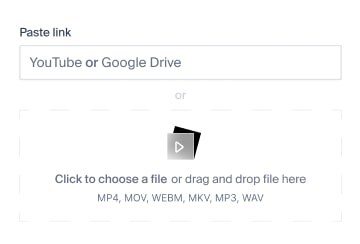
Drop an MP3 or WAV file, add a video podcast in MP4 or MOV, or paste a link. Audio files up to five hours go through in a single upload, and both audio or video formats are handled the same way. Whichever file you start from, the podcast transcription runs the same: one upload, one click, one transcript. For a short clip it is finished before you are done exporting the audio file.
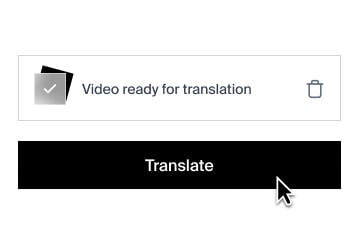
Pick the spoken language - or let the AI handle it, since it detects the original language and the number of speakers on its own. The podcast transcript generator writes out every word, timestamps each segment, and separates the voices from the background mix as it goes. You can transcribe in the original language, or transcribe and translate the episode in a single pass - the podcast transcription and the translation come out of the same run.
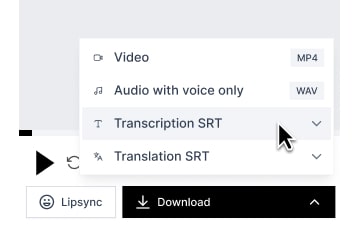
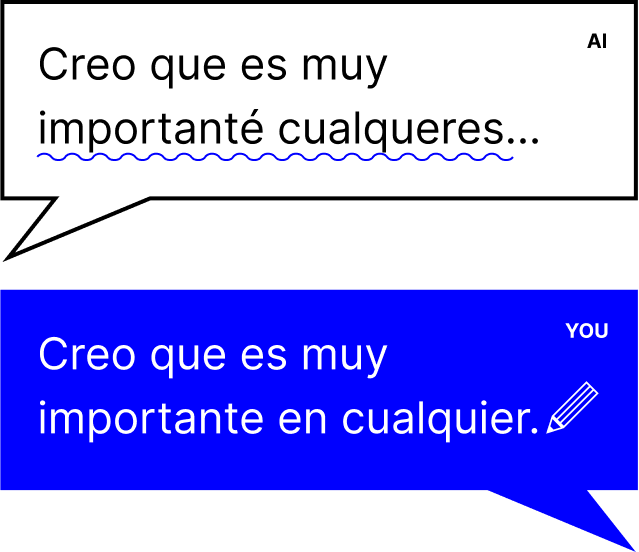
Read the transcript next to the player, fix a name or a term, and download the finished transcript. Rask AI writes the podcast transcript as an .srt file, which is plain text underneath - copying it into a Word document, a PDF, or your show notes template is one paste away. Download the transcript as often as you like: the file stays in your account, so you can edit it and download it again tomorrow.
Why Do You Need This AI Podcast Transcript Generator?
Built for Real Podcast Audio
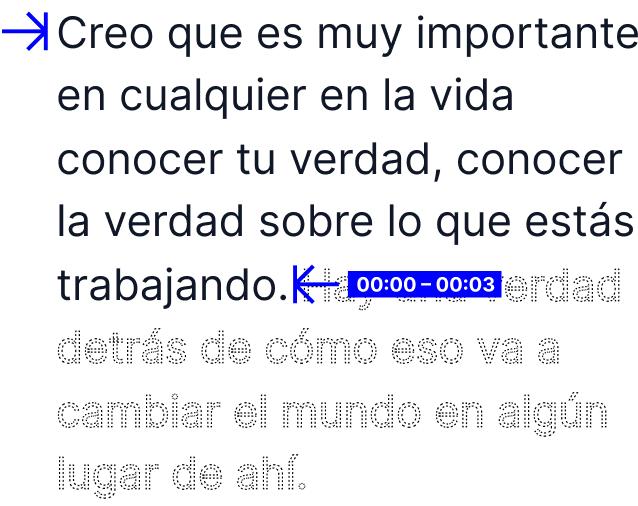
Room echo, a guest on a laptop mic, the occasional bit of overlapping speech - that is what podcast audio actually sounds like, and Rask AI separates each voice from the background mix before the transcription starts. Audio quality is still what decides the outcome: a separate microphone per guest and a quiet room give you high accuracy on the first pass, and anything messier leaves you two or three lines to touch up. Either way you end up with accurate transcripts you can publish, not a draft you have to rebuild. Rask AI will transcribe a podcast episode of any length at the same quality - a two-minute trailer and a two-hour interview go through exactly the same model, and a highly accurate transcript costs you the same either way.
Speaker Identification Out of the Box
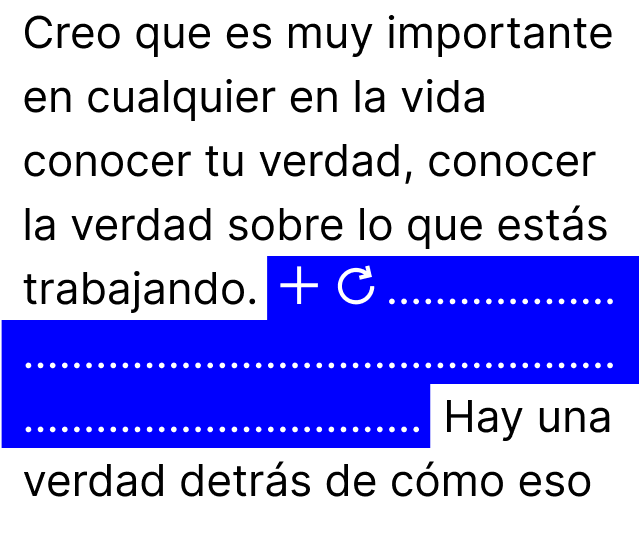
An interview transcript is useless if you cannot tell who said what. Rask AI detects multiple speakers automatically and applies speaker labels to each segment, and you can rename them to real names in the editor in a couple of clicks. Speaker identification is what makes interview episodes readable and keeps every quote attributable to the right guest, which matters the moment you publish podcast transcripts publicly. Timestamps sit on each line as well, so the transcript doubles as a map of the episode: click a phrase and you jump directly to that point in the audio.
One Episode, a Week of Content
A single transcript is the cheapest content engine a podcast has, and podcast transcripts are the one asset that keeps working after the release. Pull the key topics, the key points, and the best quotes, and the same podcast episode becomes show notes, two blog posts, a newsletter, and a run of social clips - content creation stops starting from a blank page. Podcast transcripts also give search engines something to index, so an episode keeps earning attention long after the week it went live. One podcast transcript feeds the newsletter, the captions on your clips, and the summaries your team writes for the show page - repurpose episodes across multiple platforms and a single transcript covers a week of publishing.
Options for Using our Podcast Transcription Service

Independent Podcasters
If you publish on your own, the manual work is what kills the schedule. A podcast transcript generator removes the slowest part of it and hands you podcast transcripts while you are still making coffee: you upload the episode, get the text back in minutes, and spend your time on the edit rather than on typing. It is the cheapest hire a solo show can make - no scheduling, no per-minute invoice, and you transcribe your own episodes the day they drop. From one file you get an episode transcript for the show page, a full transcript for your archive, searchable text you can grep, and the phrases you need for social media posts. The free plan is there to test the first episode before you commit. Reading is faster than listening, so some people will scan the complete transcript instead of listening, while others read while listening because it helps them follow a technical episode. Offering both is what grows a show. Publish the transcript on the episode page first - that is where search picks it up - then reuse it in the notes on Apple Podcasts, in your newsletter, and under the video. Apple Podcasts, Spotify, and your own site all take the same text. Free podcast transcription covers the first minute of a file, so try it on the episode you are least happy with the audio on.
Interview and Panel Shows
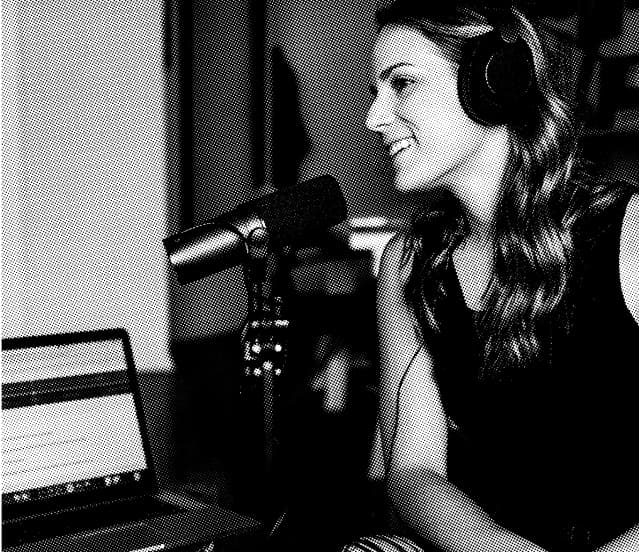
The more voices in the room, the more a transcript is worth. Rask AI separates different speakers, so a panel of four reads like a script instead of a wall of text, and you can jump directly to specific moments in the recording by clicking a line. For shows with international guests, the podcast transcription can be translated into multiple languages, which lets you publish the same episode for an audience that does not share the spoken language of the original - and Rask AI can dub that episode with a cloned voice on top of the translation. Everything stays in one place: the podcast audio, the transcript, and the translated versions of it, ready to download in multiple formats when you need them, in every language you transcribe into. Your listening figures stay where they are while readers get a text version of the same episode.

Podcast Networks and Brands
For a network, transcripts are infrastructure. Every episode arrives with accurate transcripts attached, podcast transcripts turn the archive into searchable text in every one of your formats, and a producer can find a quote from eight months ago in seconds instead of scrubbing through the audio. Teams share a workspace and a pool of minutes, so a single account covers several shows, and on the Business plan the API plugs the podcast transcription step into whatever publishing pipeline you already run. Podcast transcription at scale means you transcribe every new episode on the day it drops, so the podcast transcripts land with the release instead of a month after it. Transcribe the back catalogue in the same workspace and the archive stops being a pile of audio files. Accessibility is the other half: when you provide transcripts you open the catalogue to deaf and hard-of-hearing listeners, and easy sharing download links mean a sponsor or a PR team can grab the text without asking you for it.
User feedback

THE BEST AI video translation tool
The user interface is exceptionally intuitive, making the entire process ultra-easy for me. I've particularly appreciated Rask's proficiency in handling technical and specialized language commonly found in online courses. The translations consistently maintain accuracy and a natural tone.

Probably the best AI dubbing software on the market right now
It has an easy to use interface where both the original language and the translation can be edited. And the clone voices are quite good. In totality a top tool right now in the market. I'm the host of a local podcast that we would like to internationalize - translating it to several languages and sending it out again using the original voices, now cloned and speaking English.

Great AI software for delivering content worldwide
The most helpful feature is to edit the translated transcript and being able to redub the video. The voice cloning feature is very accurate - that is great for delivering the content of a known guest, that people know how their voice sounds. Now they recognize the voice and understand the message.

A great discovery that saved a lot of work!
The easy straightforward way to use it, the fact to be able to edit the translated text before rendering the final versions - we work with videos that need compliance approval for the text, so for us this is an important feature, together with the fact that the voice cloning is very well achieved. It makes it easier for us to respond quickly to client changes.
.png)
Not perfect, but almost...
You don't need any previous knowledge, you just sign up and start translating and dubbing your videos. The possibility to correct the translations helps to get exceptional results. I have done a project of about 30 videos of about 25 minutes each in 2 languages and the results were excellent.

Amazing
I used Rask to translate 18 episodes of a podcast from the original Italian. I cloned my own voice and used library voices for all the other people involved. The result is amazing. My cloned voice sounds like my own voice (with a better accent). Rask allowed me to translate an Italian podcast into English in just 3 days.

AI-based video translation service that breaks down language barriers
The most impressive feature is the AI's ability to maintain the speaker's original voice while translating the content. This is a game-changer for online educators like myself looking to reach a global audience. French being my first language, it was difficult for me to reach students from UK, US, etc. But with this tool, I have access to a bigger market.
Fantastic translation tool with some room for improvement
I'm a Canadian YouTuber who's always wanted to translate my content to the french language. I've used it on a couple of my videos to date, and have to say I'm quite impressed with the cloned voice feature. Planning on using it for 3-4 videos per month to bring my french channel back to life without a huge time commitment.