Lip-Sync AI Video Generator
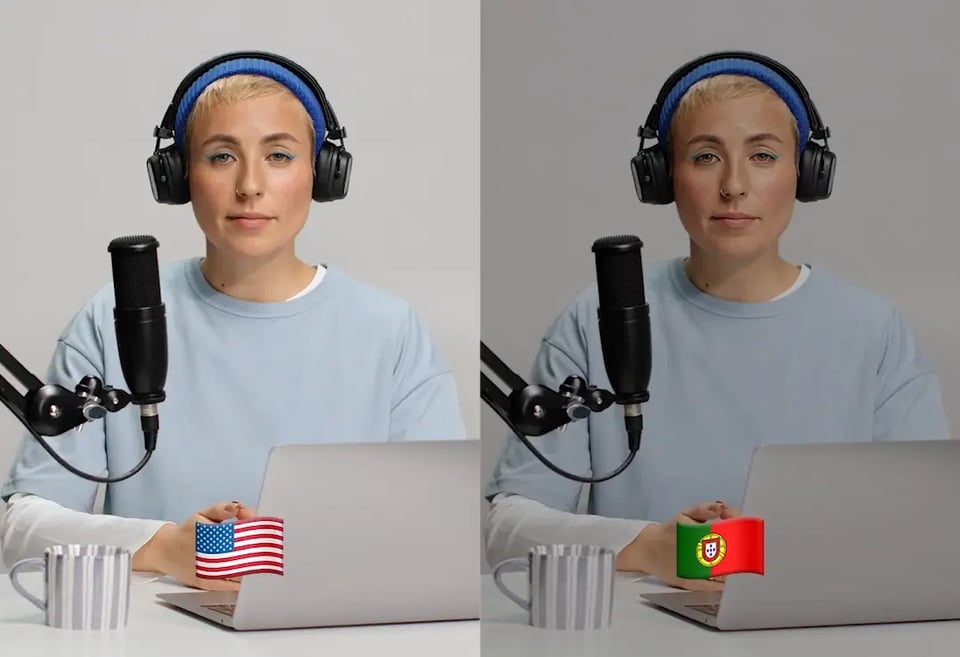
How to Create a Lip-Sync AI Video
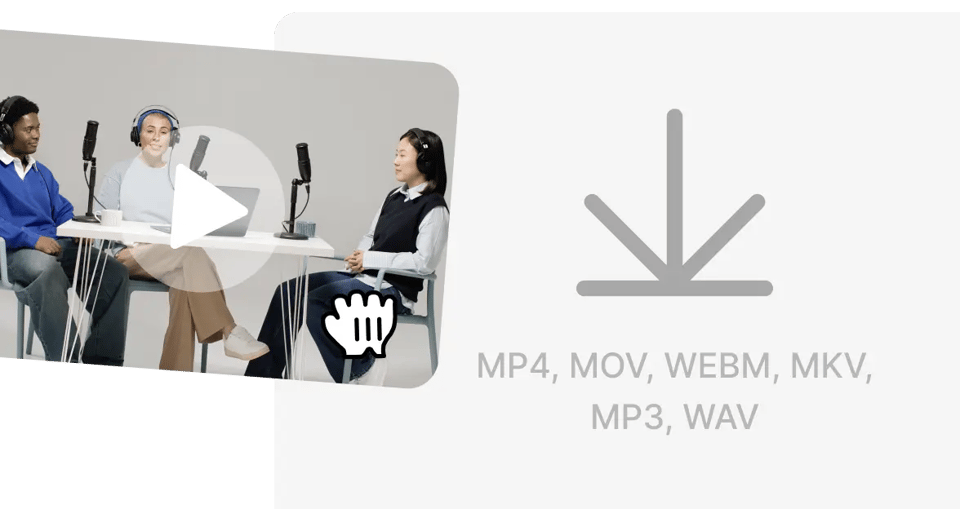
Upload your video

Review, then click lip-sync
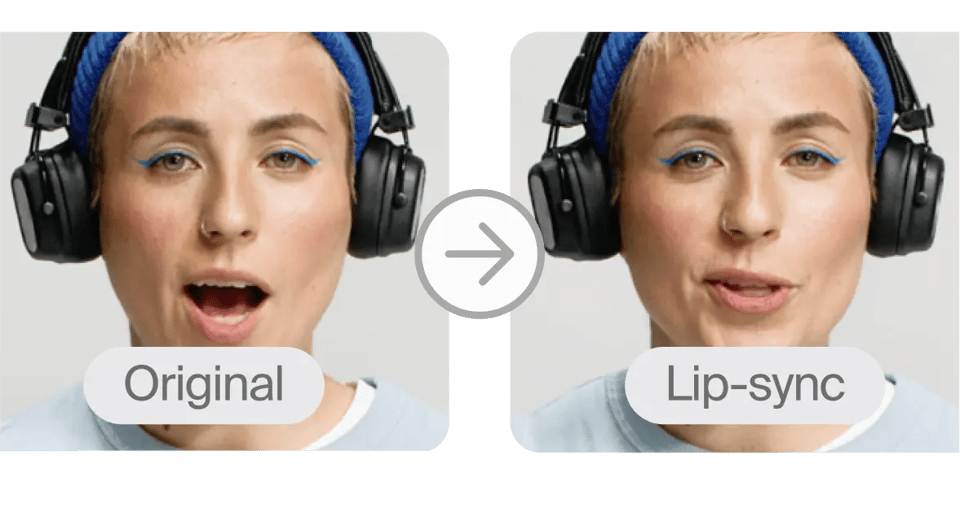
Preview and export
Why teams choose Rask for Lip-Sync AI
Lip-sync runs on a translation you already approved
Several people in one frame
Two quality levels, so the minutes follow the stakes
One face, one voice, one person
Fix one line, keep the approved version
Built for the library you already filmed
Compliance your security team can sign off
Watch it done end to end

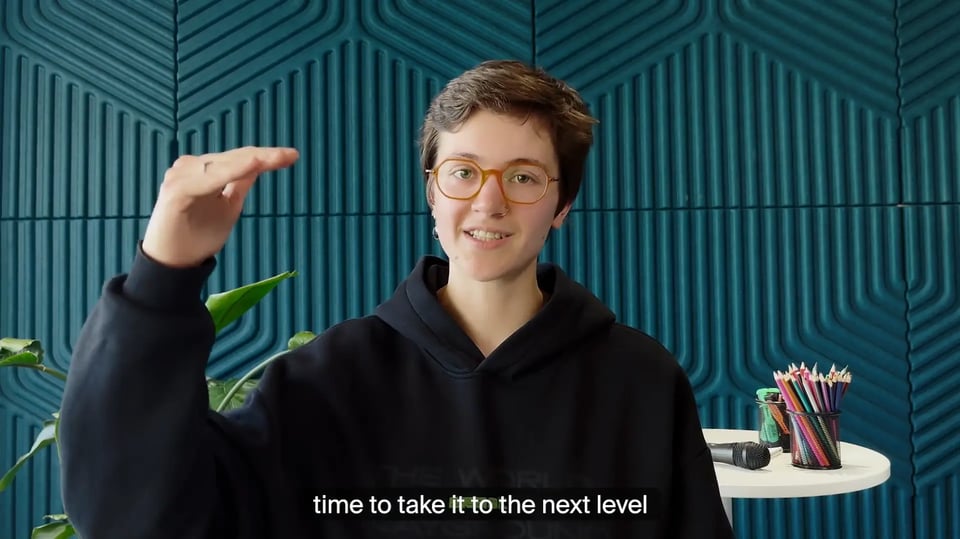
How Rask’s Lip-Sync handles real production footage
Several faces in shot. Each speaker matched to their own translated audio, in the same frame.
Faces turned away from the camera. Profile and three-quarter angles, speakers looking at a screen or at each other.
Partly covered mouths. Beards, moustaches, glasses, a hand near the face, or a microphone in shot - even when the mouth is partly obscured, subtle facial expressions remain readable.
Cuts and camera movement. Handheld footage, pans, and edits that change angle mid-sentence.
Uneven light. A lecture hall, a sanctuary, an office at the end of the day.
Fast dialogue. Overlaps, interruptions, and the pace people talk at when they are off script.
Long recordings. Full sessions and course modules, start to finish.
Enhanced lip-sync is the level these hold at. Standard trades precision for minutes.
Where lip-sync earns its place
Course and lecture libraries
Customer education and product onboarding
Internal training and enablement
Marketing, advertising, and brand video
Weekly broadcast
Founder- and expert-led content
Standard and Enhanced Lip-Sync AI modes
Standard lip-sync
Enhanced lip-sync
Built for teams publishing video at scale
Security and compliance
API and integrations
For recurring volume, the Rask API removes uploading files one at a time and the handoffs around it, lip-sync included.
Reviewer roles
Custom development
Human in the loop
Workflow design
Consent and compliance, settled before the rollout
Certified. SOC 2 Type II and GDPR compliant. Video and audio stay encrypted in transit and at rest.
Your footage stays yours. Your content is not used to train models.
Consent comes first. In many jurisdictions a voice and a face carry protections comparable to a signature. Rask works from footage you own and voices you have permission to use.
A neutral option exists. Where consent for a specific voice is unavailable, a synthetic voice with usage rights covers the same content.
What people say


THE BEST AI video translation tool
The user interface is exceptionally intuitive, making the entire process ultra-easy for me. I've particularly appreciated Rask's proficiency in handling technical and specialized language commonly found in online courses. The translations consistently maintain accuracy and a natural tone.

Probably the best AI dubbing software on the market right now
It has an easy to use interface where both the original language and the translation can be edited. And the clone voices are quite good. In totality a top tool right now in the market. I'm the host of a local podcast that we would like to internationalize - translating it to several languages and sending it out again using the original voices, now cloned and speaking English.

Great AI software for delivering content worldwide
The most helpful feature is to edit the translated transcript and being able to redub the video. The voice cloning feature is very accurate - that is great for delivering the content of a known guest, that people know how their voice sounds. Now they recognize the voice and understand the message.

A great discovery that saved a lot of work!
The easy straightforward way to use it, the fact to be able to edit the translated text before rendering the final versions - we work with videos that need compliance approval for the text, so for us this is an important feature, together with the fact that the voice cloning is very well achieved. It makes it easier for us to respond quickly to client changes.

Not perfect, but almost...
You don't need any previous knowledge, you just sign up and start translating and dubbing your videos. The possibility to correct the translations helps to get exceptional results. I have done a project of about 30 videos of about 25 minutes each in 2 languages and the results were excellent.
.png)
Amazing
I used Rask to translate 18 episodes of a podcast from the original Italian. I cloned my own voice and used library voices for all the other people involved. The result is amazing. My cloned voice sounds like my own voice (with a better accent). Rask allowed me to translate an Italian podcast into English in just 3 days.

AI-based video translation service that breaks down language barriers
The most impressive feature is the AI's ability to maintain the speaker's original voice while translating the content. This is a game-changer for online educators like myself looking to reach a global audience. French being my first language, it was difficult for me to reach students from UK, US, etc. But with this tool, I have access to a bigger market.

Fantastic translation tool with some room for improvement
I'm a Canadian YouTuber who's always wanted to translate my content to the french language. I've used it on a couple of my videos to date, and have to say I'm quite impressed with the cloned voice feature. Planning on using it for 3-4 videos per month to bring my french channel back to life without a huge time commitment.